

You can close your eyes. Not your ears.
Music Eye View is a bespoke background music (BGM) provider, combining music curation, programming and streaming. From this initial brief, we create bespoke sound identities for hotels, resorts, restaurants, bars, spas, shops, healthcare and wellbeing settings. Our curators always start with the people who use a space and how they make it their own, to create a musical signature, a sound identity, and keep it alive over time.
Musical taste is subjective. It reflects our sociocultural surroundings, but there is more to it. Our perception of music draws on both innate capacities and early experience. It may carry traces of sounds heard before birth, such as a mother's heartbeat. Whatever our origins, we share certain points of reference: slow or fast, regular or irregular, low or high. Music Eye View draws on this underlying sensitivity to tell stories through music, forge connections and anchor memories.
In a restaurant, a couple on honeymoon, a group of friends and a family on holiday may hear the same piece of music, each through their own history. For Music Eye View, programming music for a place is not about having music playing. It is about inviting people to listen to works, looking for what might bring strangers together through them and allow them to share a moment.
Since our story began, Music Eye View has listened to nearly three million tracks and kept three hundred thousand, which now form our library, our palette of musical colours. Our curators add to it every day, always leaving room for discovery and the unexpected. Sometimes a guest takes out their phone and uses Shazam to identify a piece that surprises or touches them. That is our reward for creating an emotional connection through music.
Weeks, months, years later, a few bars heard in passing can bring back a place, a moment, an encounter. A hotel, restaurant or rooftop cannot decide what its guests will remember, but it can choose with care what they will hear.
Music is a language with its own grammar, vocabulary, punctuation and syntax. Above all, it is a universal language: the language of emotion. Those moments when we move from reason to emotion, from thought to feeling, from a private feeling to a shared emotion. It is this universality that makes music so essential to each of us.
Pierre Gagnaire
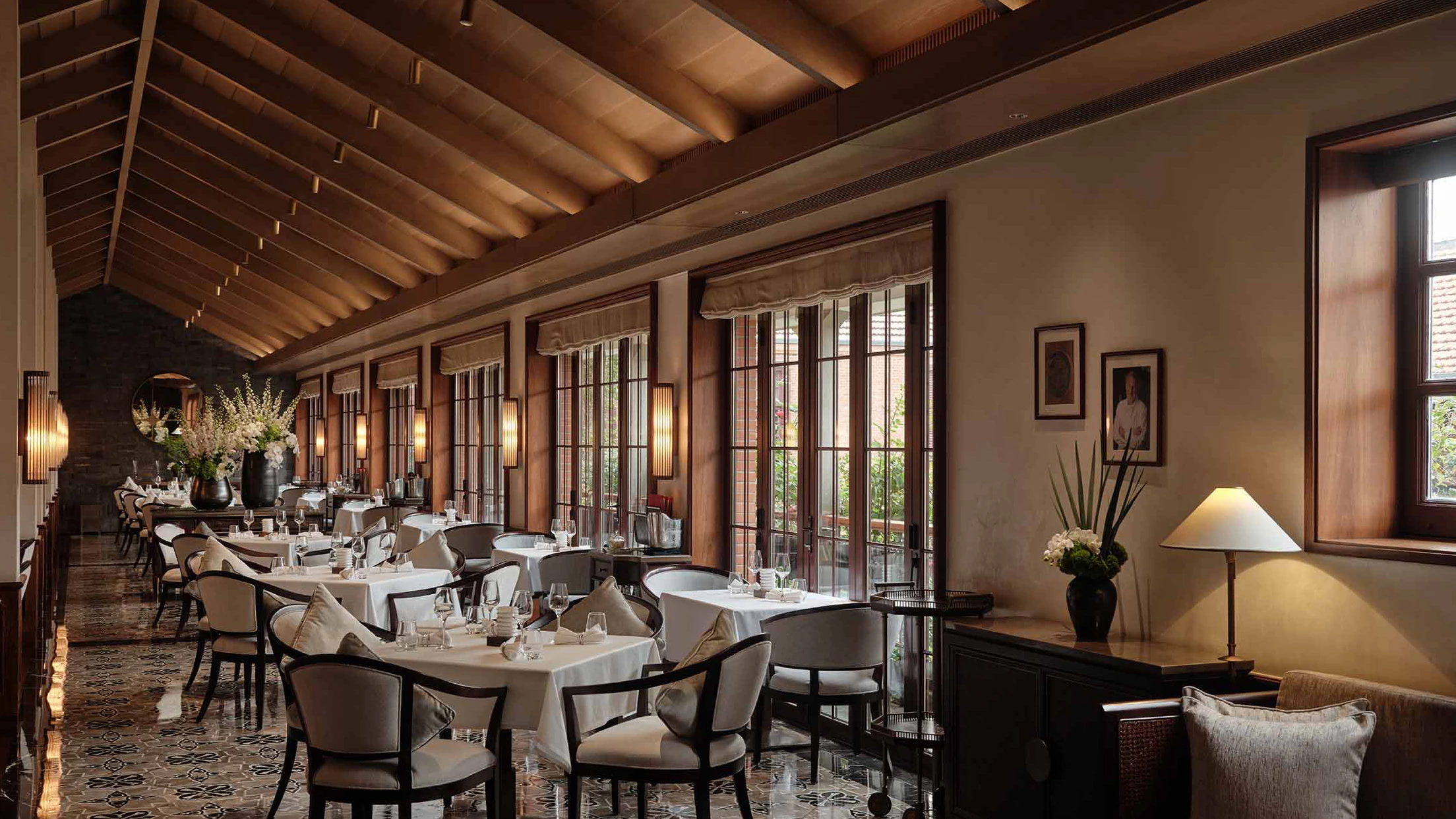
The playlist Pierre Gagnaire keeps on his phone goes everywhere with him. He shares it with us in Paris, and our conversations continue as we introduce him to music he has not heard before. Some of those discoveries later become part of the programme at Le Comptoir, Capella Shanghai.
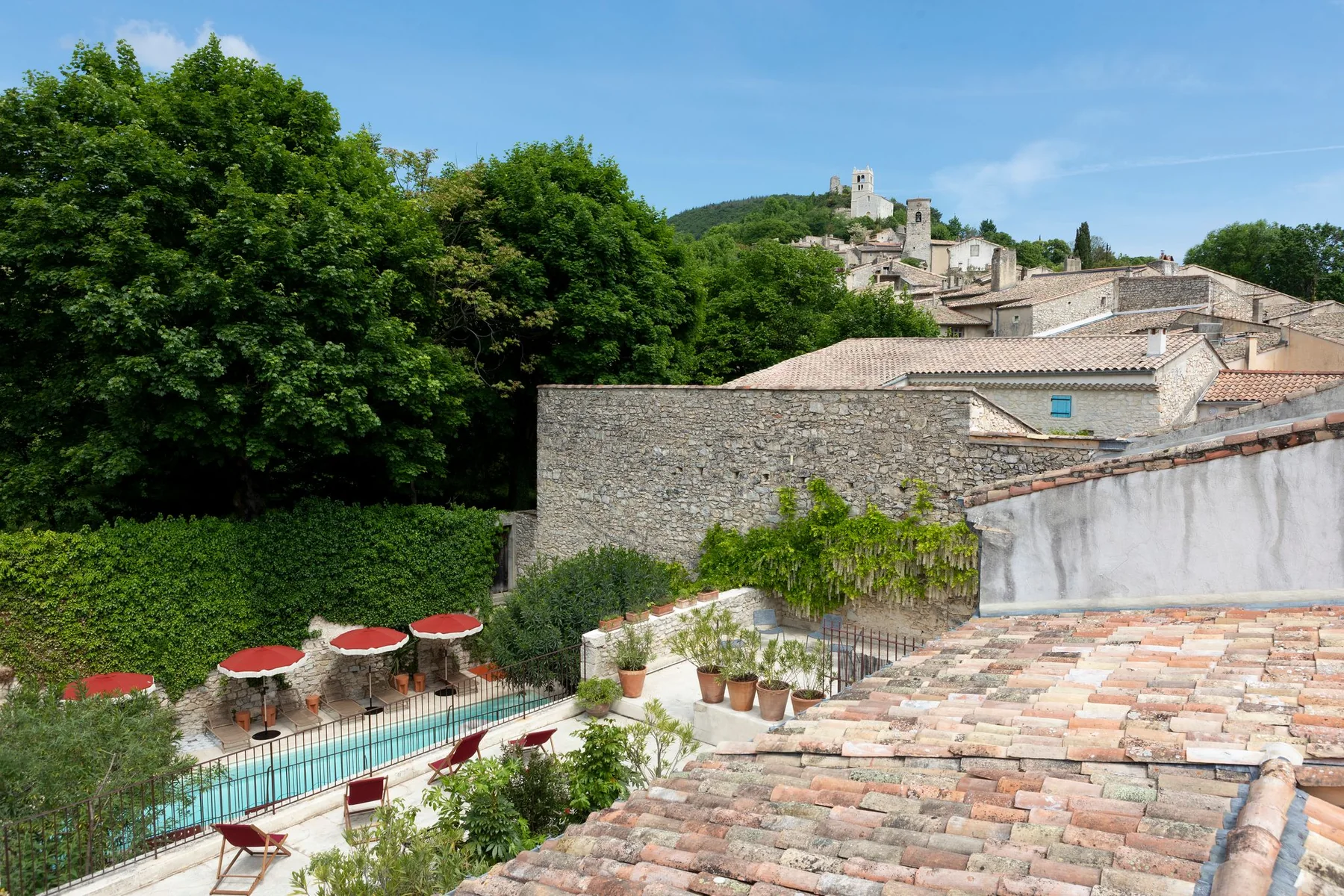
Jeanne was once our student. Years later, she entrusted us with the music for Pantoufle, her seventeen-room hotel in Marsanne. Since then, each stay and conversation has helped shape playlists that reflect her personality and evolve with the life of the hotel.
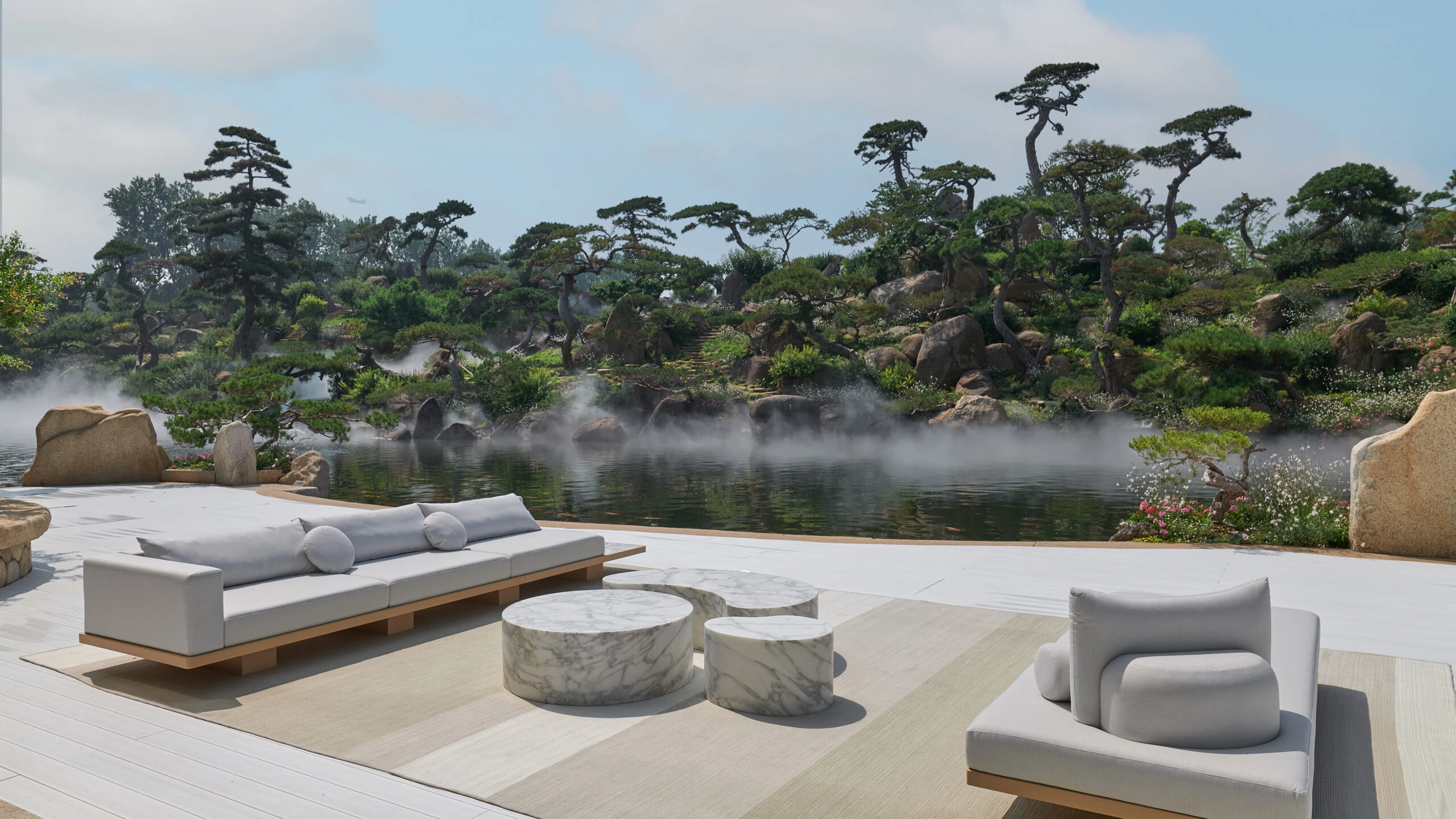
Before we had even set foot in Blackswan, Vianney Massot gave us complete freedom. Working remotely, we developed three distinct programmes for the restaurant, the Library and the bar, following the venue as it shifts from the bright white of day into the depth of evening.
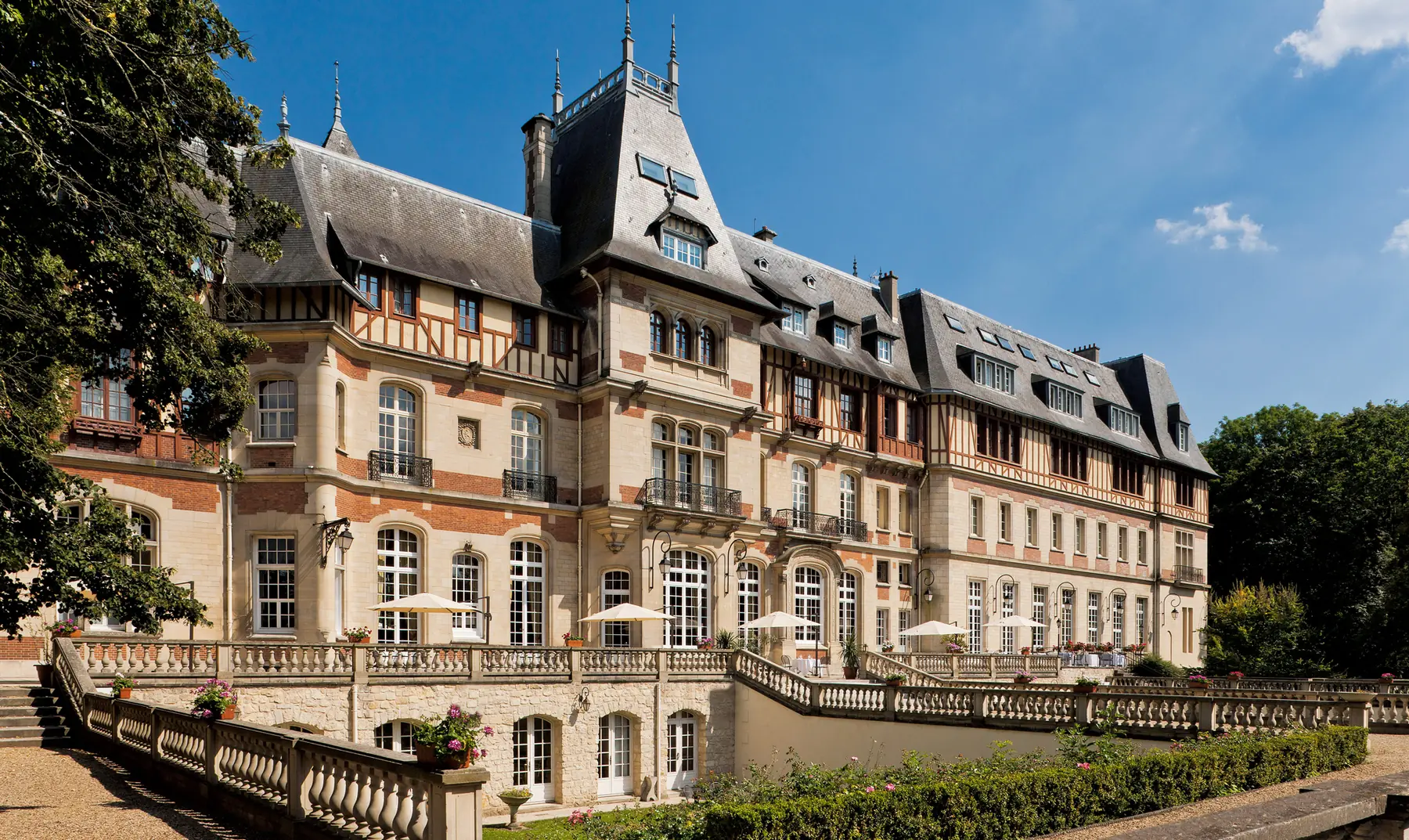
Built on trust since 2020, our relationship with 369° now spans properties from the French Alps to St Barth. We define a shared musical direction, then adapt it to the character and daily life of each boutique hotel.
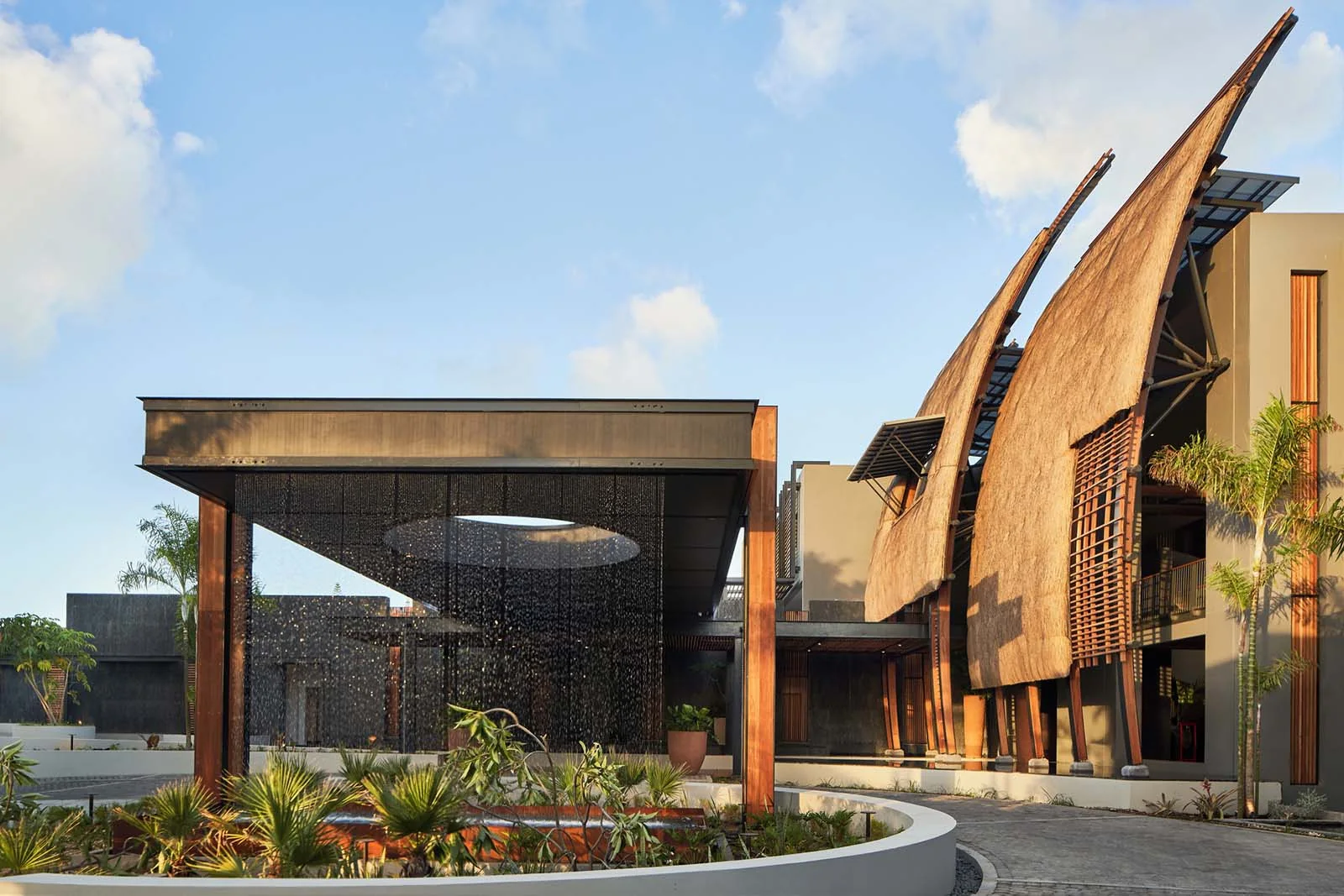
It began at Grand Baie, before the hotel opened. From there, the collaboration grew to include six Mauritian properties across LUX*, SALT and Tamassa. They share a Mauritian culture of hospitality, while we shape a distinct musical direction for the guests each hotel is designed to welcome.
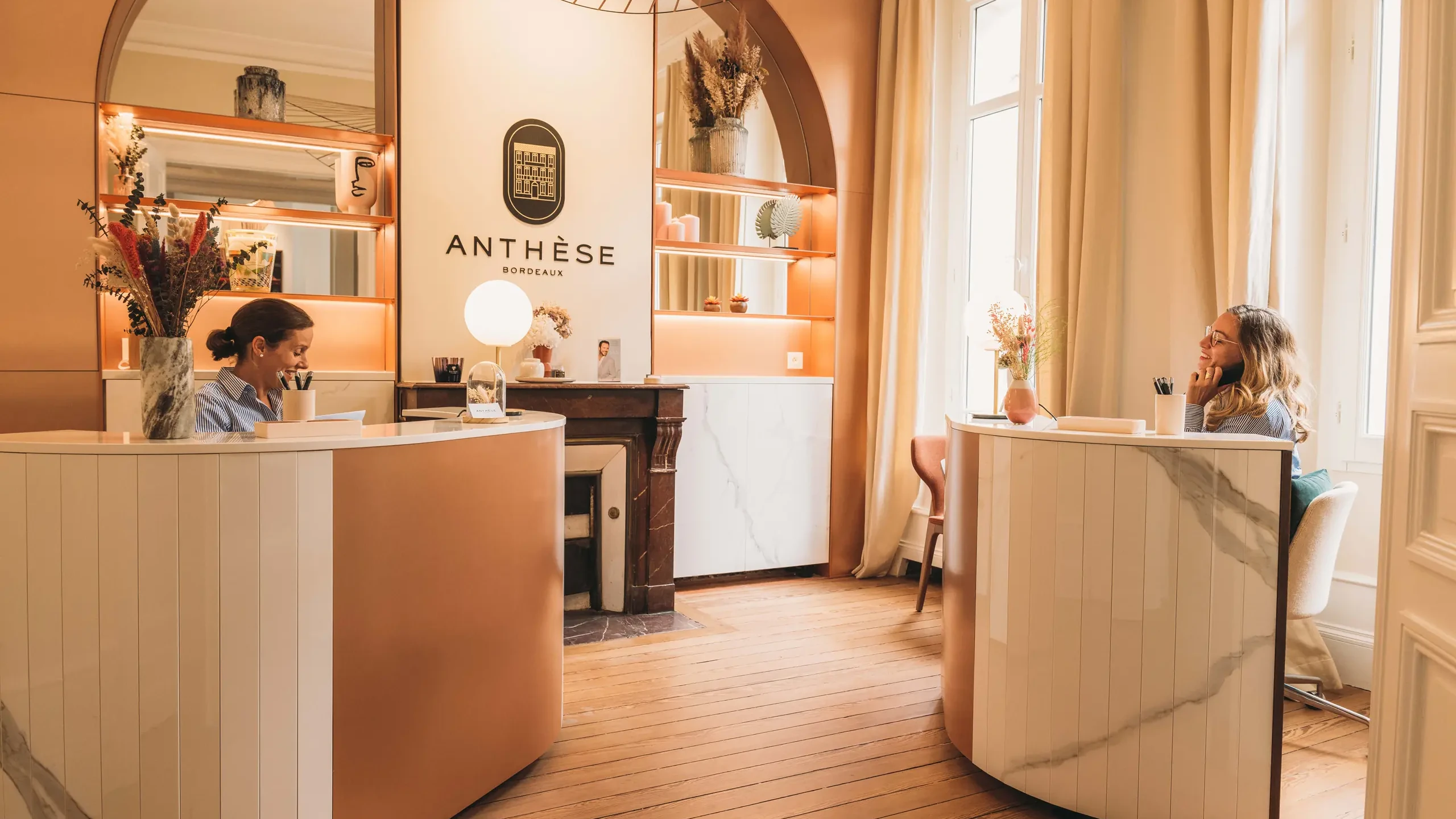
Emma and Romain Lavocat, the doctors who founded Anthèse, conceived their Bordeaux cosmetic surgery clinic as a home with the feel of a boutique hotel. Together, we created three musical programmes, each designed for a different stage of the experience: arrival, treatment and rest.
Explore this project
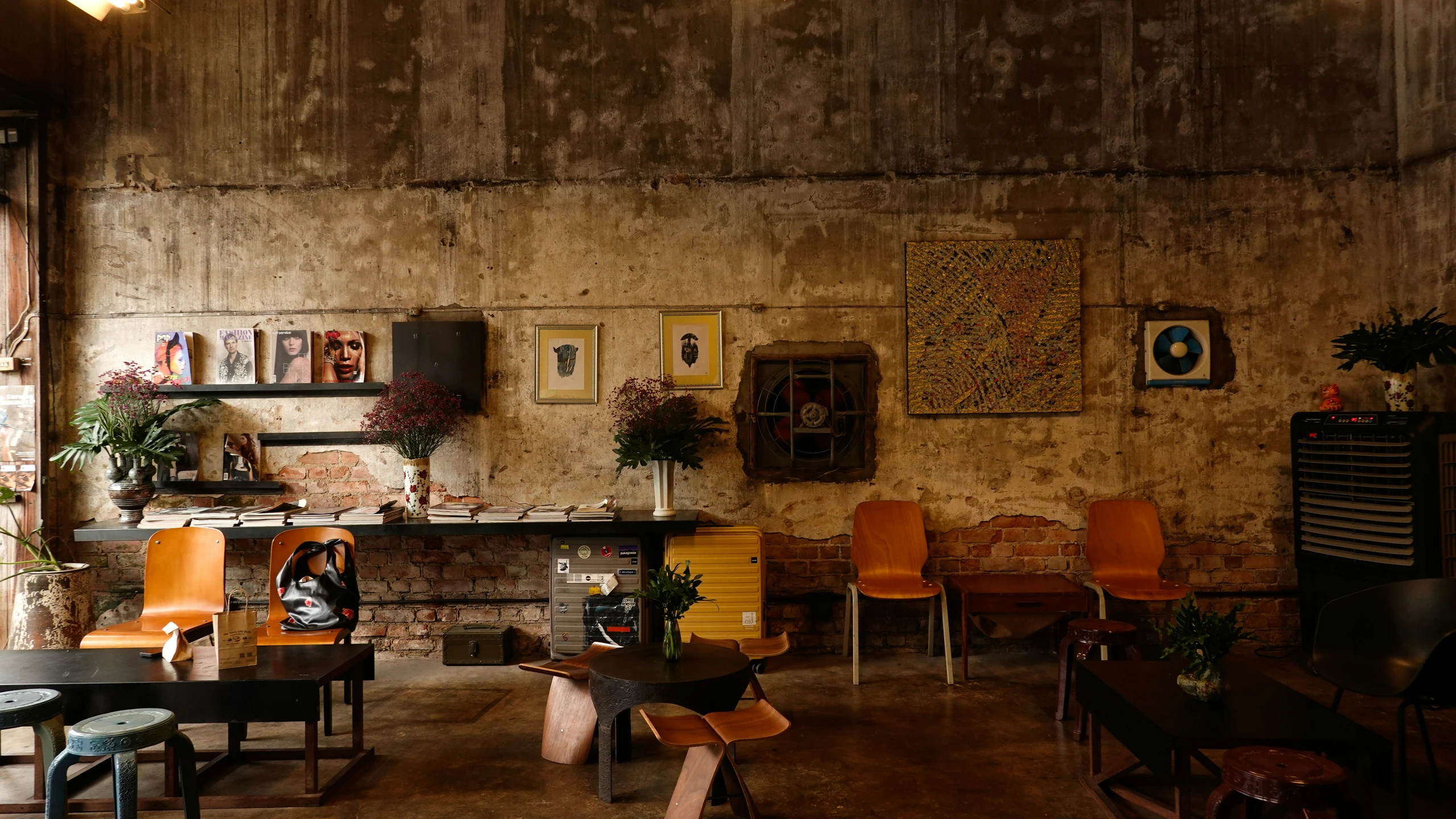
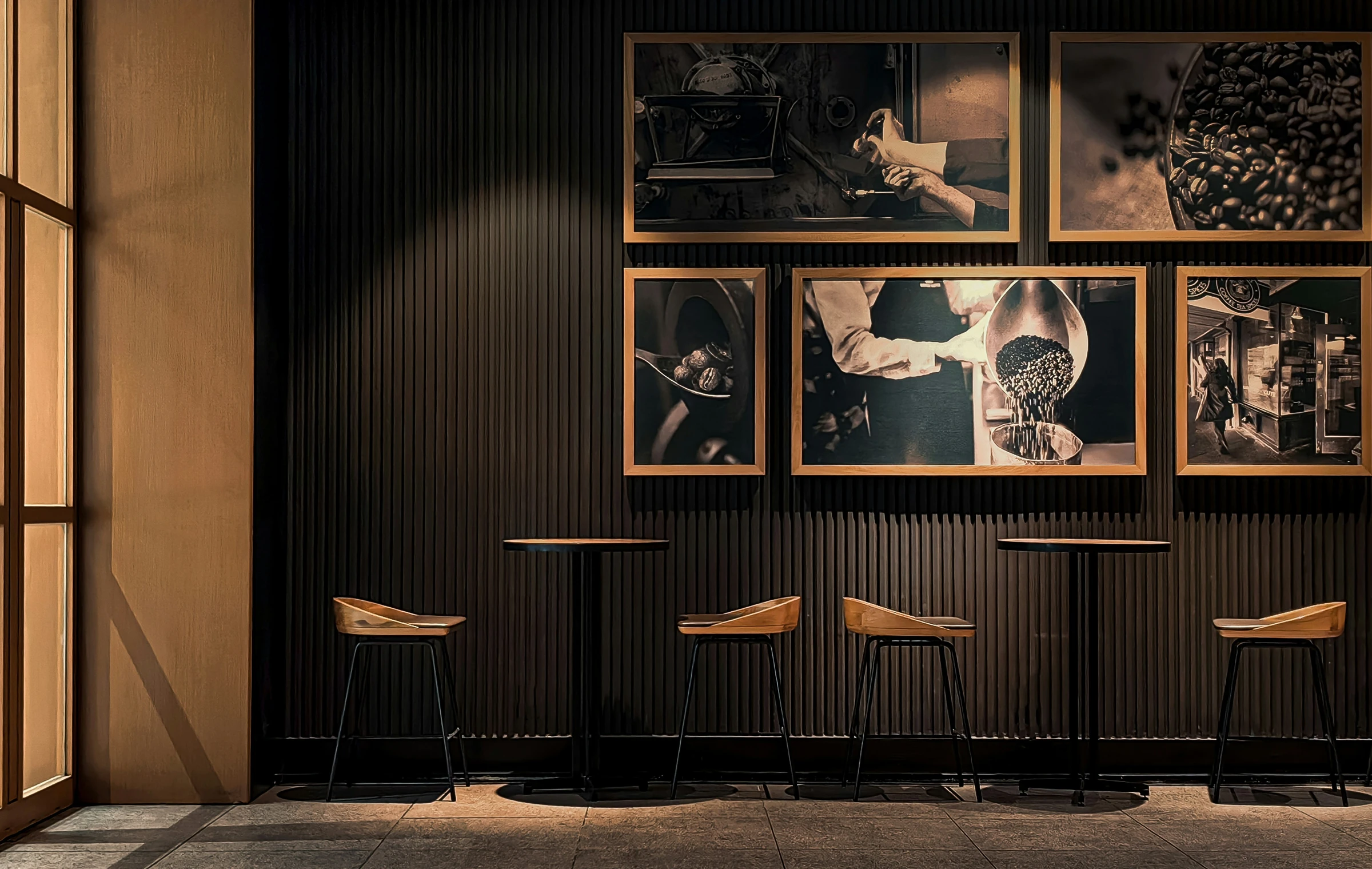
Hospitality & F&B
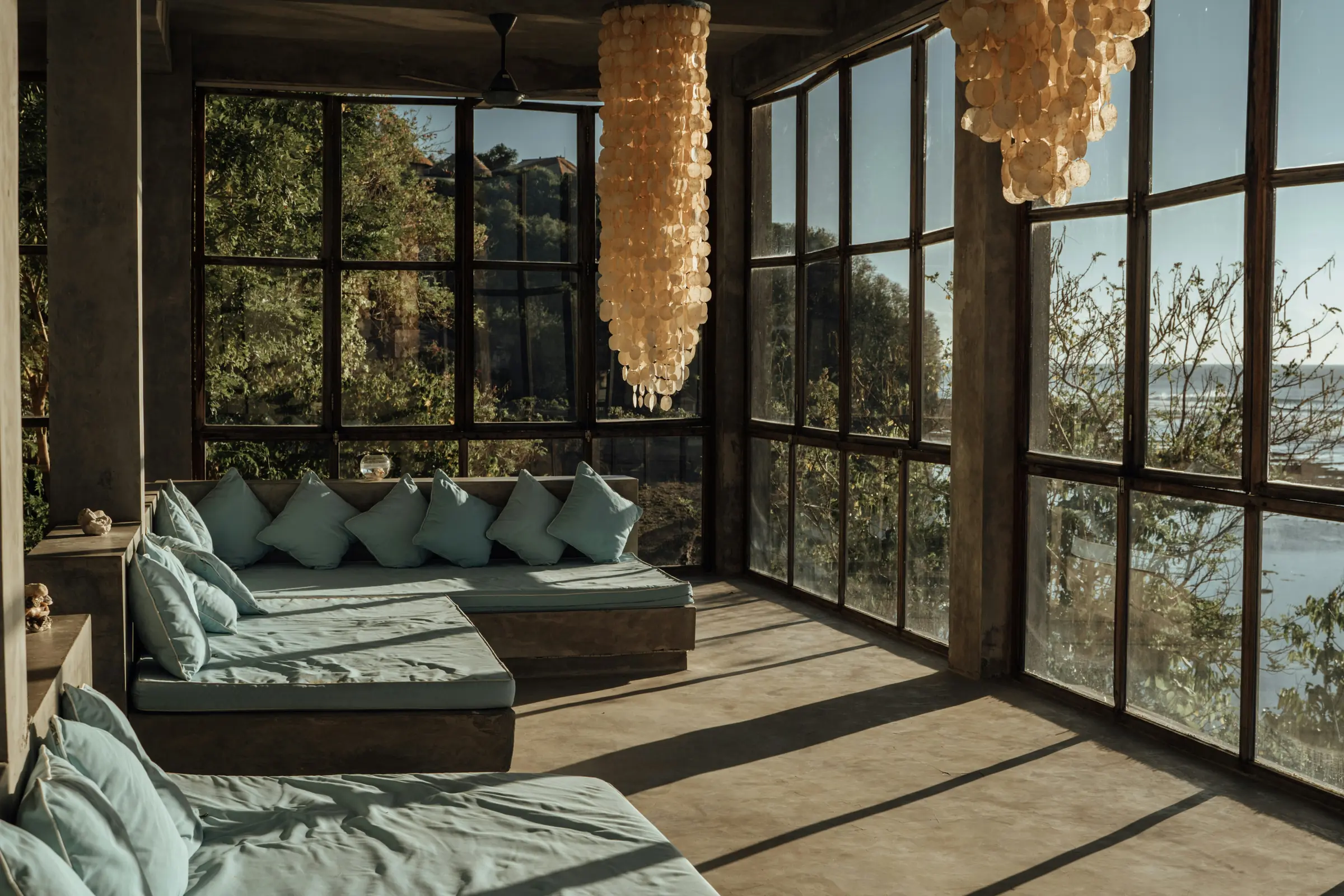
In a hotel, people come and go, from the lobby to the restaurant, from the pool to the spa. Music Eye View curates and programmes bespoke background music for each space and time of day. The programmes vary; we preserve the thread that connects them to the character of the property.
A few metres can take you from reception to a space for care or rest. The people, the conversations and the room left for listening change. We design background music programmes for clinics and wellbeing settings, guided by the purpose of each space and the people who use it.
In the morning, students, lecturers and staff pass through the same doors without quite entering the same day. We curate and programme background music for the campus's social and dining spaces. Its place is defined by how each space is used, when and by whom, with respect for areas set aside for work or silence.
Do living and working call for the same way of listening? In co-living spaces, residents settle into their routines; in co-working spaces, the people present and the rhythms of the day change. We curate and programme background music for shared spaces, distinguishing between time spent together, working and going about daily life.
What becomes of a brand's musical direction as it grows? From a boutique to a showroom, through to a network of shops, we curate and programme background music with each location's audiences and character in mind. The selections differ; we maintain their coherence across the brand.



Deploying the musical direction
Over time, teams change, new people arrive and places find new uses. Music Eye View guides these changes by clarifying the selection criteria, responsibilities and choices that call for judgement. Governing a sound identity means knowing what to keep, what to develop and why.
A musical signature cannot be reduced to a genre or a handful of defining tracks. It takes shape in the way works are chosen, brought together and given their place. Music Eye View begins with the people who will hear them, setting out these choices in a sound identity framework that teams can understand and put into practice.
From the written sound identity framework to the first notes heard, intentions must become practical choices. Music Eye View curates the programmes, arranges how they are played and supports teams in putting them into practice. Across spaces, times of day and audiences, we adjust the place of music while keeping the sound identity consistent.
A sound identity gains value when its meaning is clear beyond the team that created it. Like a visual identity, it is built on intent, recognisable cues and rules that can be understood and applied over time. It becomes a brand asset when it brings together a distinctive expression of the brand and a direction the organisation can adopt, develop and pass on.
Discover our story, find answers to your questions or talk to us about your project.

 Back to the beginning